Facial & Aesthetic Treatments in Tirana: HydraFacial, Microneedling, Exosomes, Radiofrequency, PRP
Non-surgical facial treatments at Nouvelle Clinique Tirana: HydraFacial, Dermapen microneedling, exosome therapy, radiofrequency skin tightening and…
 Book a Consultation
OUR TREATMENTS
We offer cutting-edge treatments tailored to your specific needs, ensuring the best possible results for your hair restoration journey.
Non-surgical facial treatments at Nouvelle Clinique Tirana: HydraFacial, Dermapen microneedling, exosome therapy, radiofrequency skin tightening and…
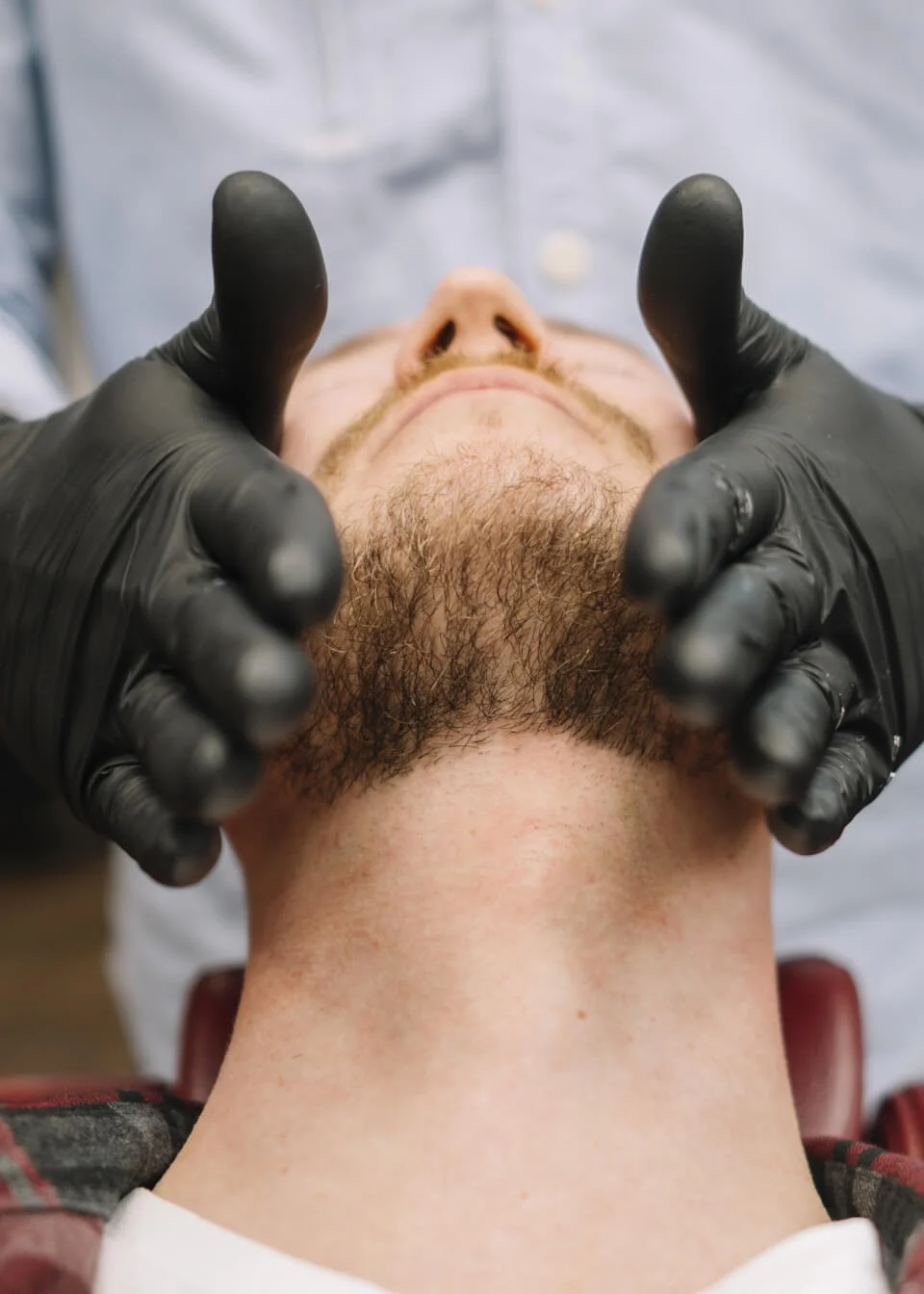
What is beard transplant? A beard transplant is a cosmetic procedure that involves transplanting hair follicles…
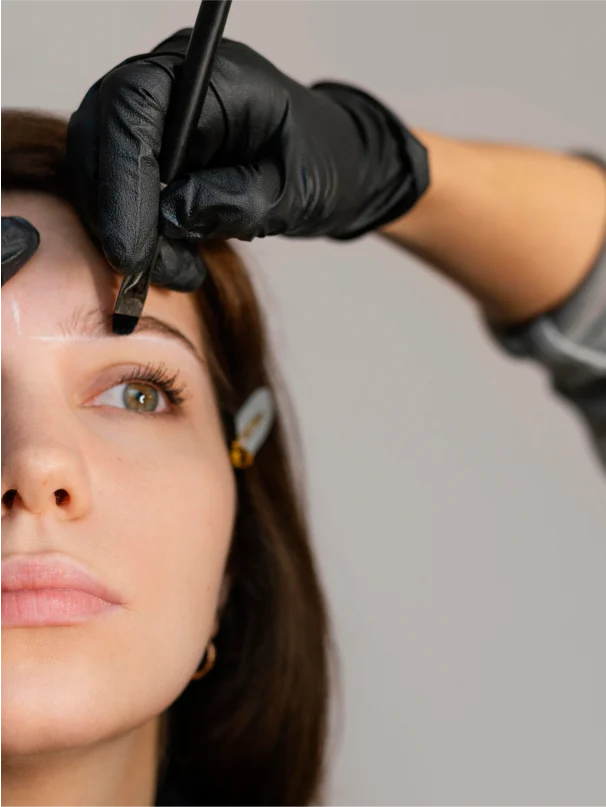
This procedure is designed to enhance or restore the appearance of the eyebrows, whether due to…
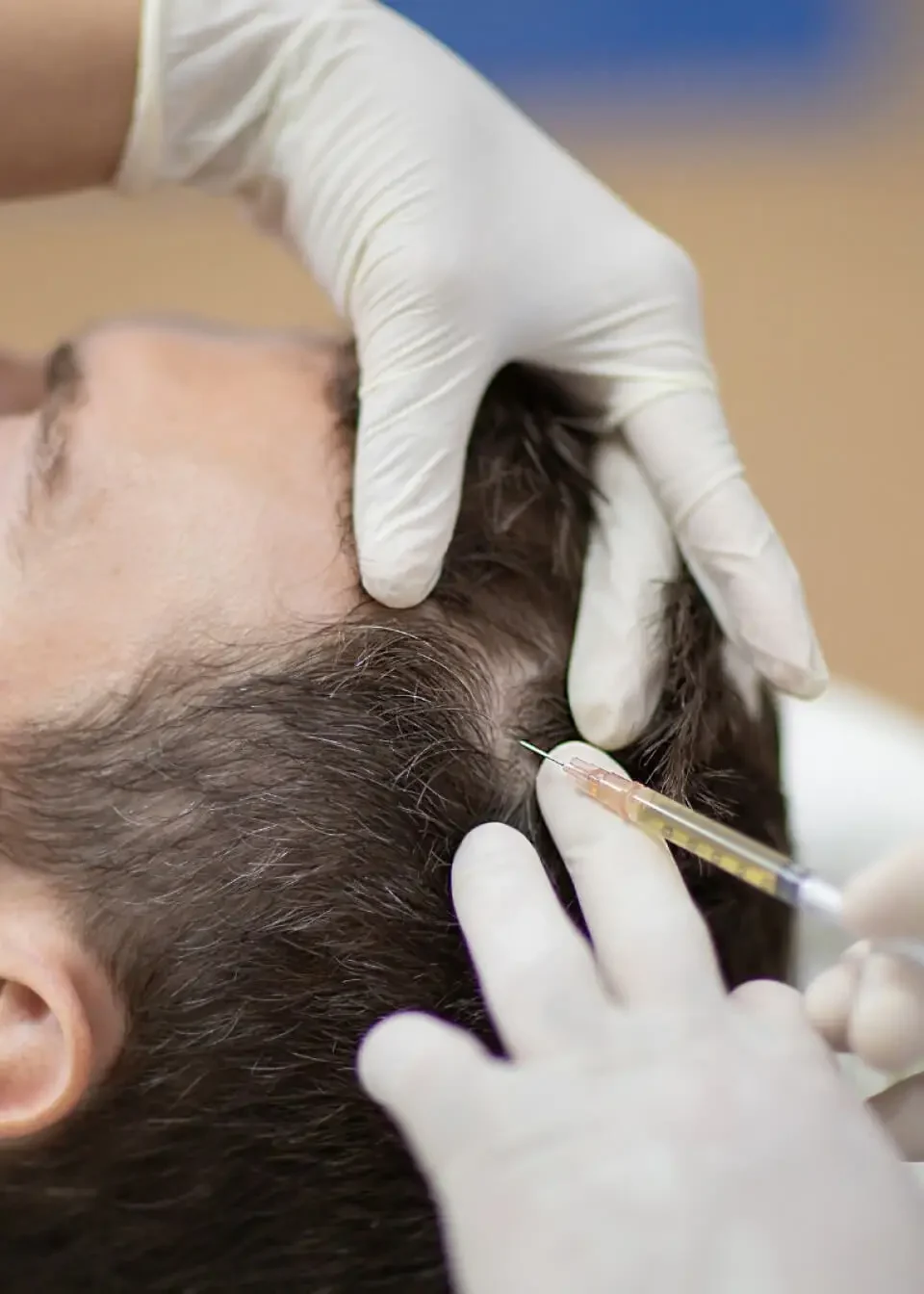
PRP (Platelet-Rich Plasma) can be used in conjunction with a hair transplant procedure to enhance the…
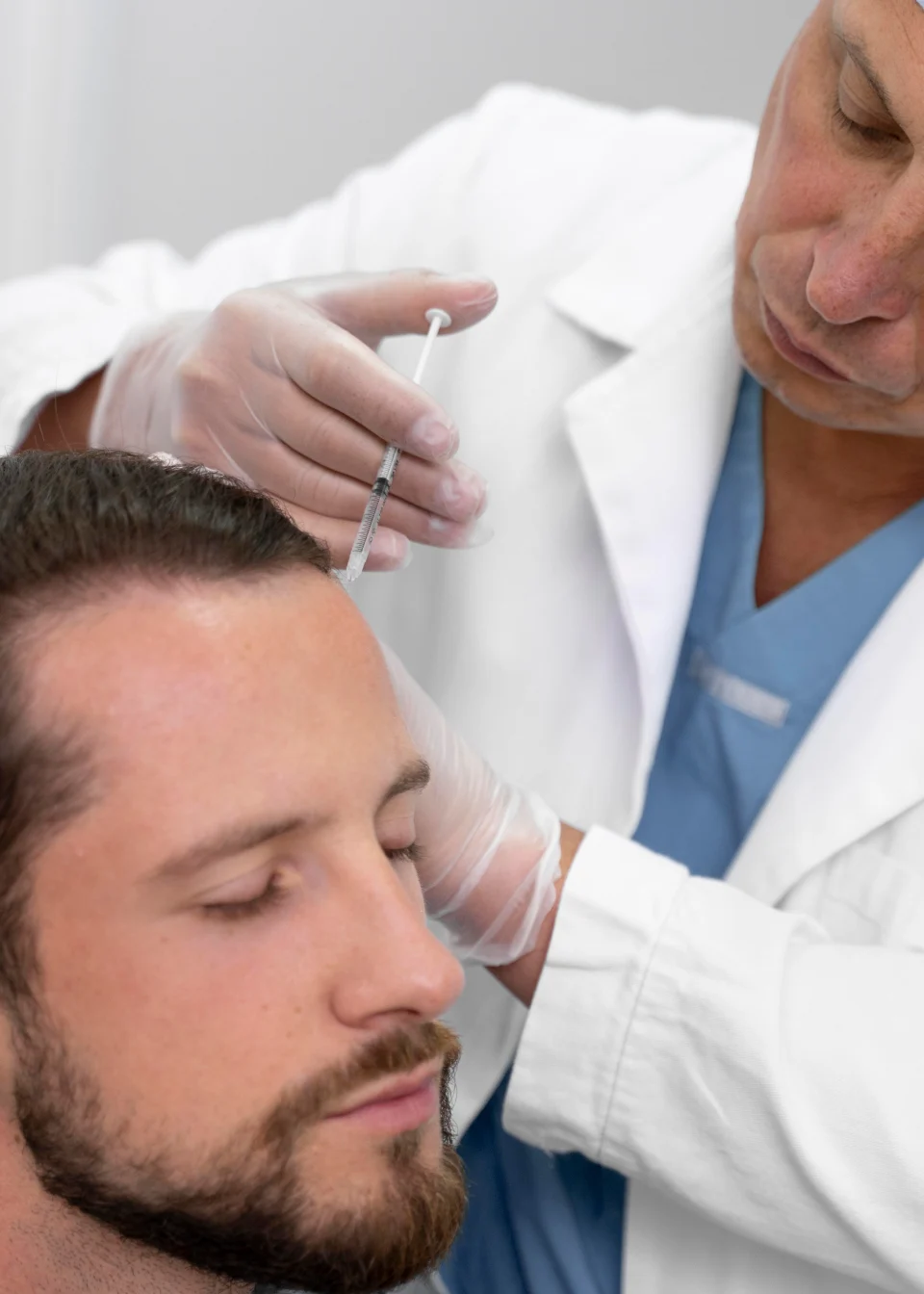
Follicular Unit Extraction (FUE) with Sapphire is a modern, advanced hair transplant technique that uses sapphire…
Get a DHI hair transplant done at the best hair transplant clinic in Albania, Nouvelle Clinique,…
YOUR TRANSFORMATION PROCESS
Our multilingual team ensures clear and effortless communication throughout every step of your visit. From your consultation to post-operative care, we prioritize clarity and comfort every step of the way. With our patient-first approach and advanced techniques, we’re the best options for a high-quality-low-cost hair transplant.
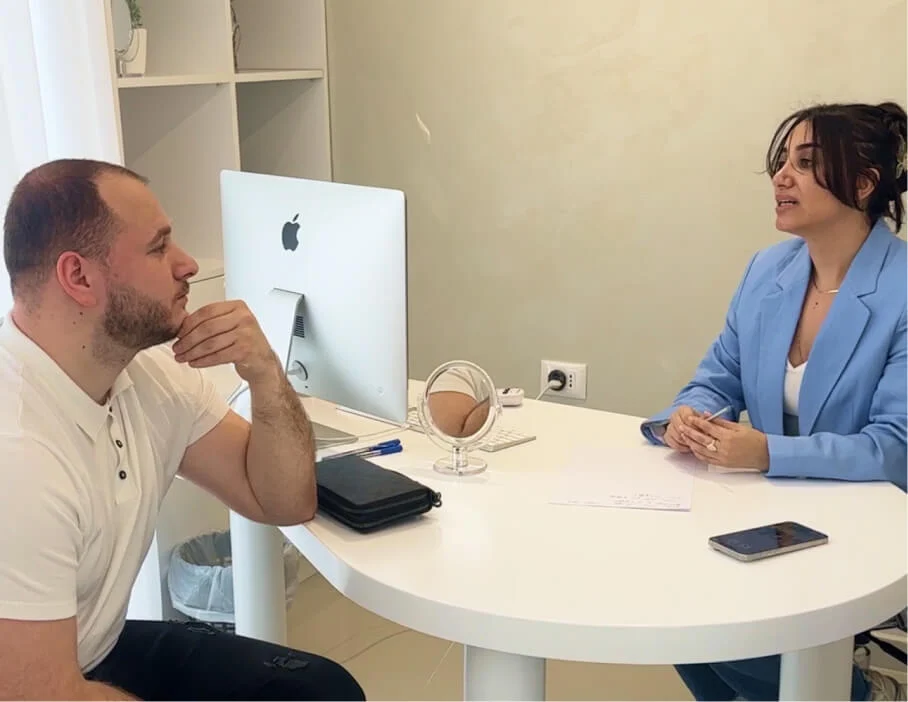
Meet with our specialists for a personalized assessment and treatment plan tailored to your needs.
Experience a comfortable procedure in our state-of-the-art facility with our expert medical team.
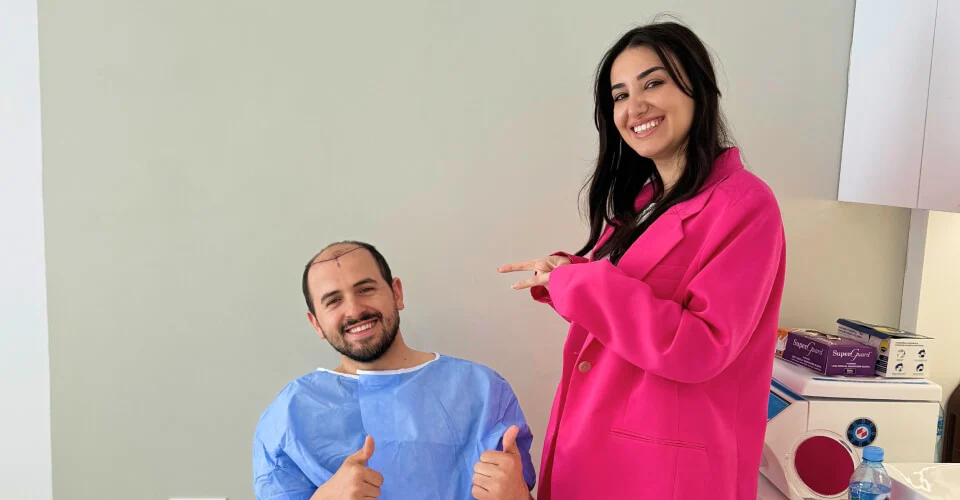
Follow our comprehensive aftercare program and witness your natural hair growth progress.
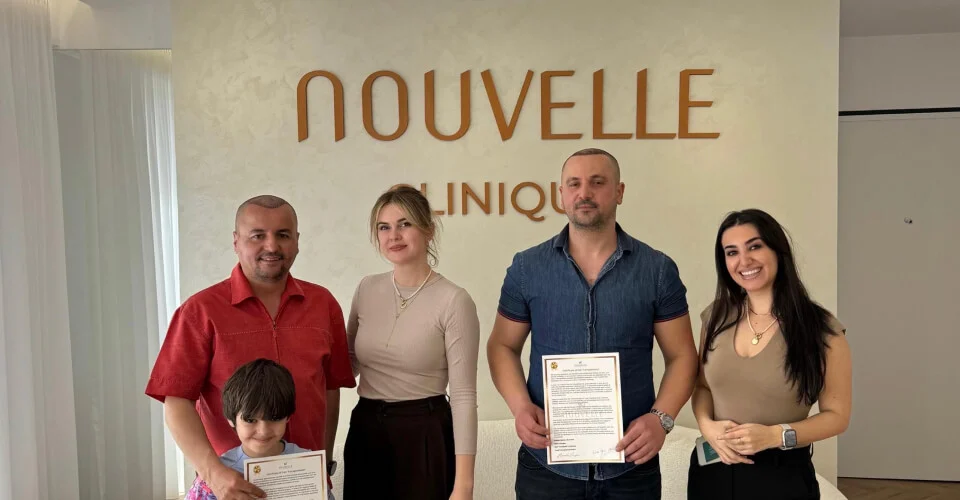
BEFORE & AFTER
Our patients experience life-changing results through our advanced techniques and personalized approach. See the difference our expertise can make.
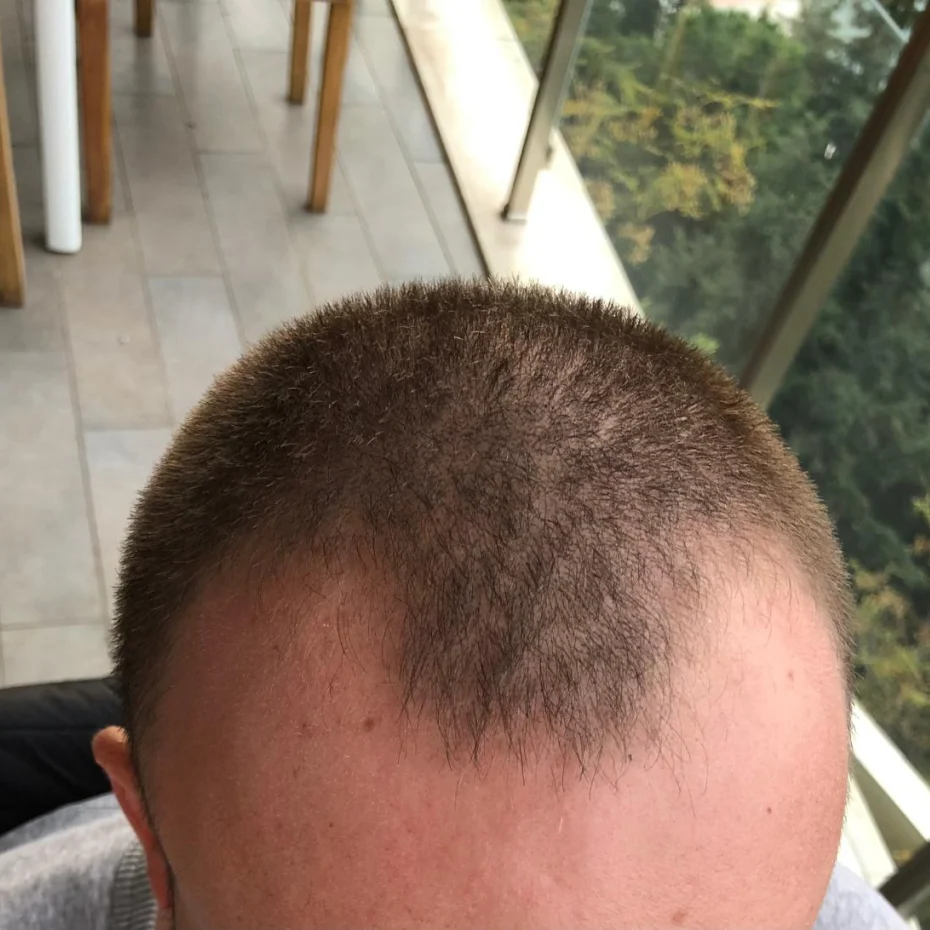
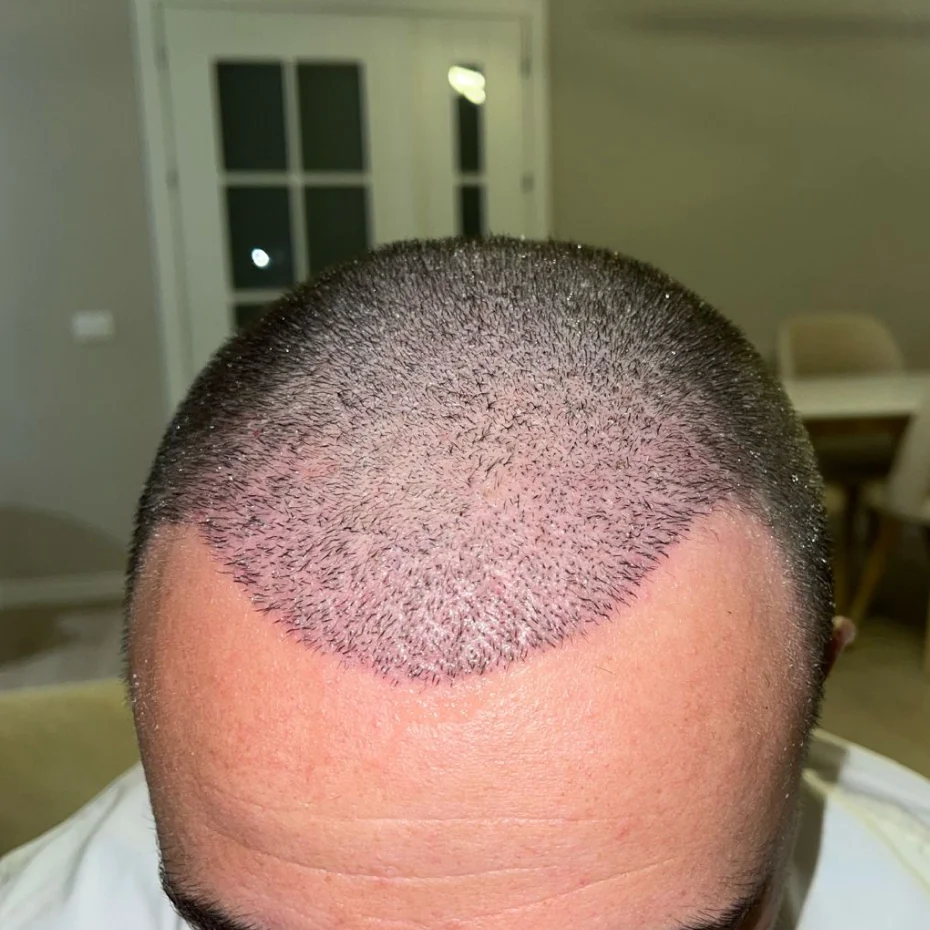
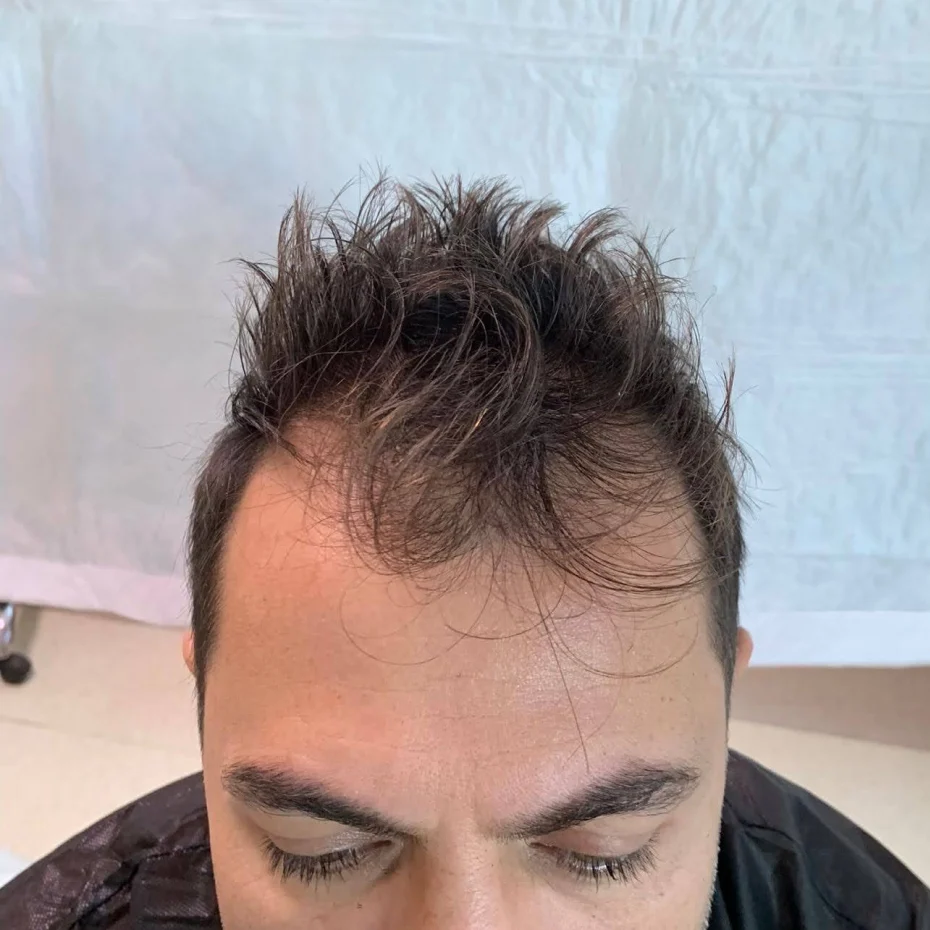
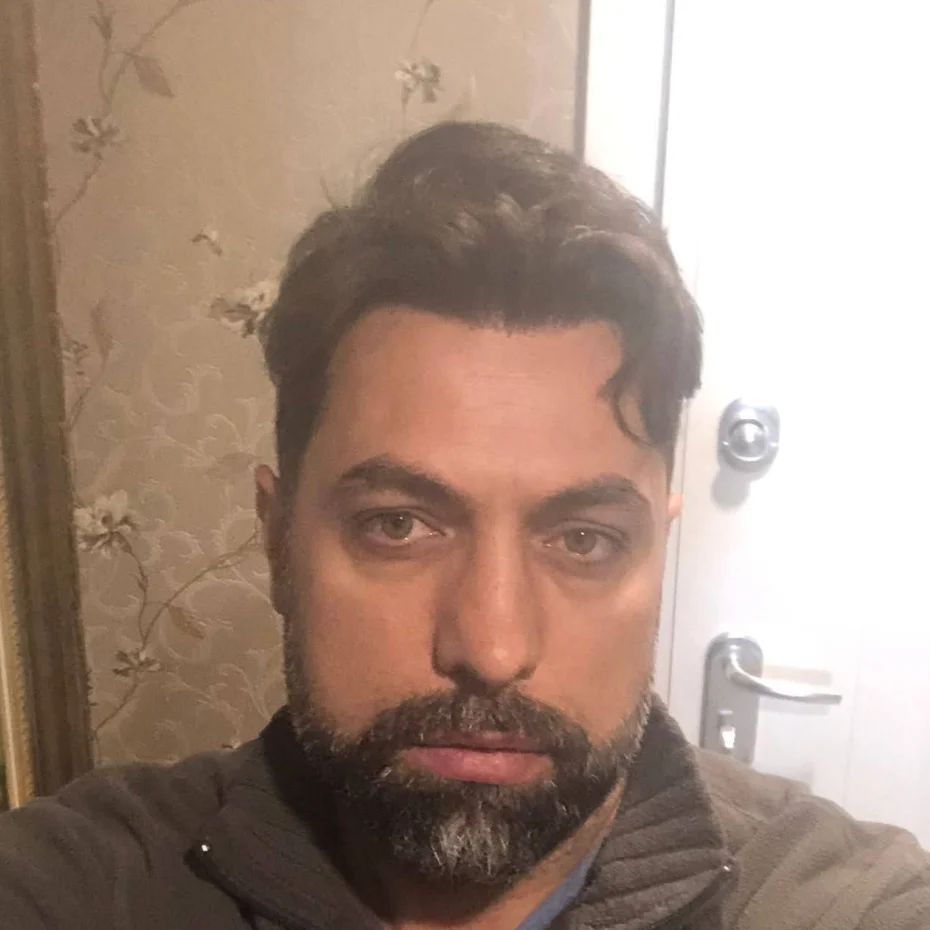
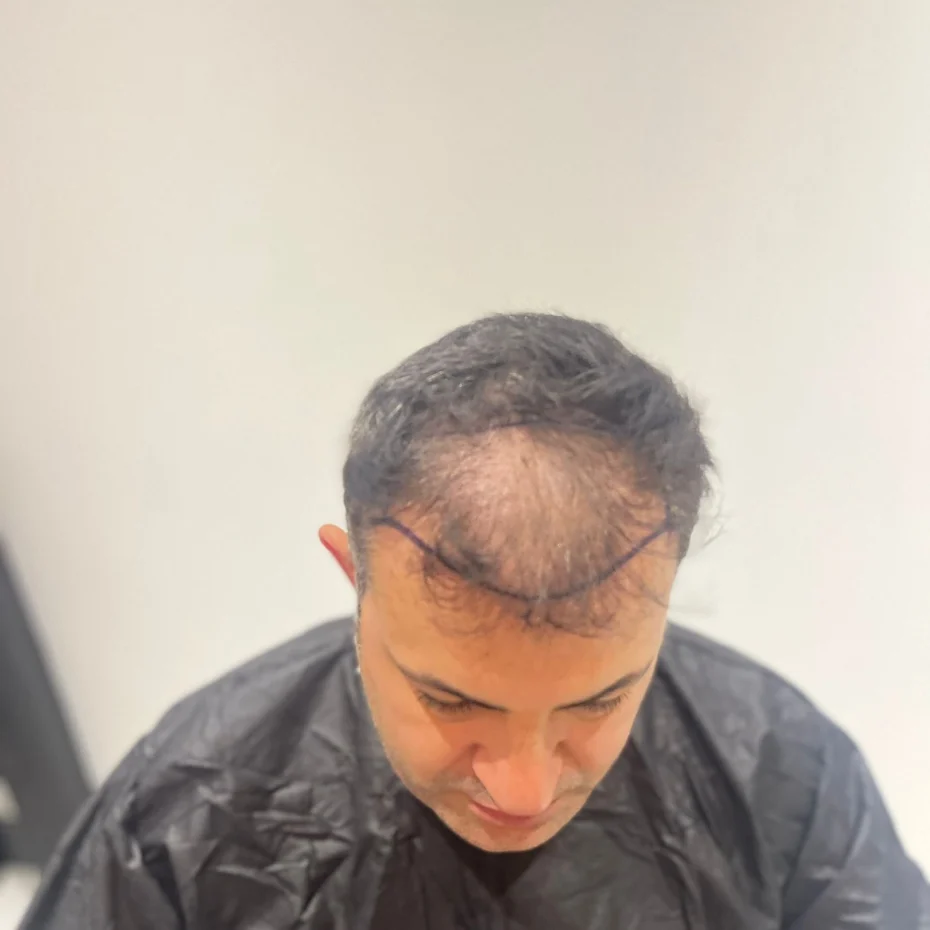
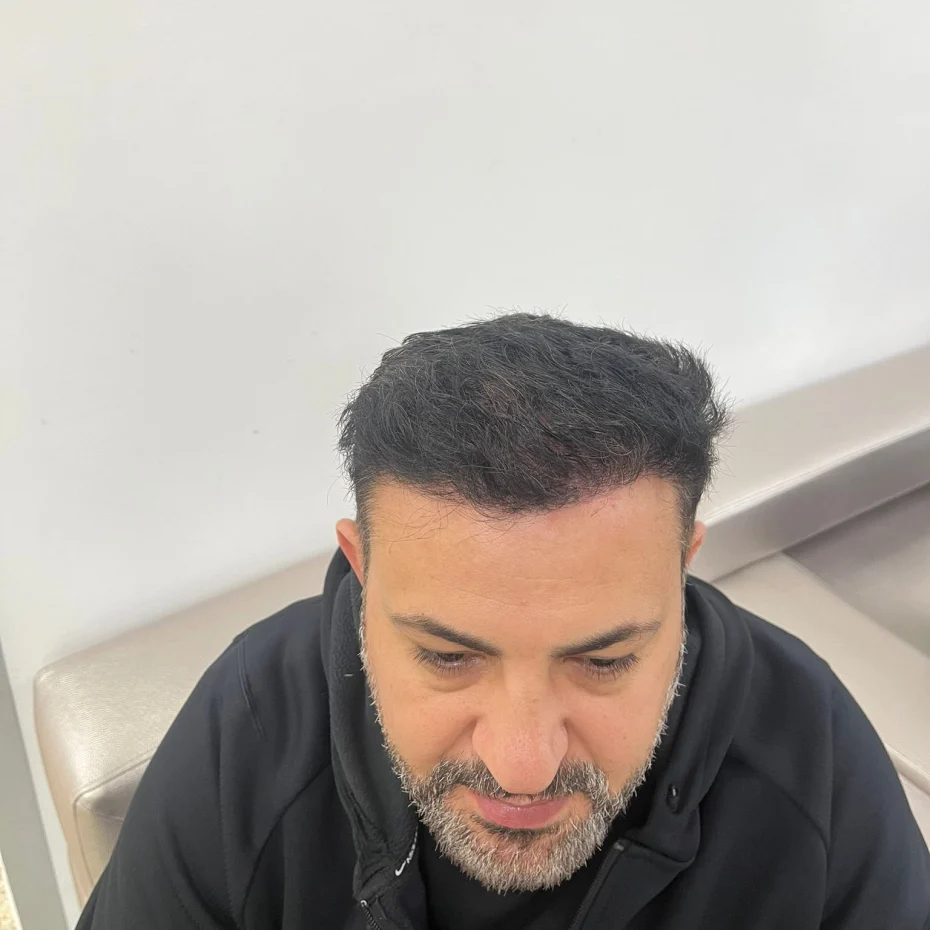
GET STARTED
Take the first step towards regaining your confidence. Schedule a consultation with our specialists to discuss your hair restoration options.
If you are at the start of your research, this is the page to read first. It explains what a hair transplant actually is, how the main techniques differ, who is a good candidate, what results and recovery look like, and what it costs — in plain language, without sales pressure.
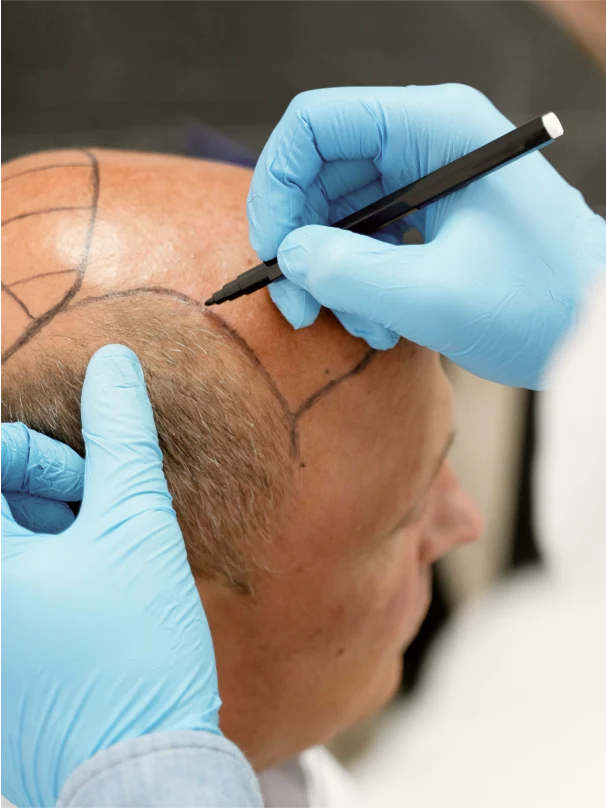
A hair transplant moves your own hair follicles from a donor area — usually the back and sides of the head, where hair is genetically resistant to balding — to areas that are thinning or bald. Because the follicles keep their resistance after being moved, the transplanted hair is permanent. No donor from another person is involved, and no artificial hair is used.
FUE (Follicular Unit Extraction) extracts individual follicles with a micro-punch, leaving no linear scar. In Sapphire FUE, the recipient channels are opened with a sapphire blade, which makes finer incisions than steel and speeds healing. DHI (Direct Hair Implantation) skips the pre-made channels: each follicle is loaded into a Choi implanter pen and placed directly, giving the surgeon control over angle and depth graft by graft. DHI excels at hairlines and density work; Sapphire FUE is efficient for larger areas; many cases combine both. Our DHI vs Sapphire FUE comparison goes deeper. The old “strip” method (FUT), which leaves a linear scar, is rarely chosen today.
Three things matter more than age: a stable hair loss pattern (usually from the mid-twenties onward), a sufficient donor area, and realistic goals. Diffuse thinning across the whole scalp responds poorly; concentrated loss at the hairline, temples or crown responds well. Women are candidates too — traction alopecia, high hairlines and stable patterns with a dense donor area are common cases. See the best age for a hair transplant and our guide for women.
Local anaesthesia, then extraction from the donor area, then implantation — a session of several hours depending on graft count, with breaks. Most patients describe it as long but comfortable. You walk out the same day with a protected scalp and detailed aftercare instructions.
| Stage | What to expect |
|---|---|
| Days 1–7 | Mild swelling, scabbing; first gentle wash around day 4; most patients fly home by day 5 |
| Weeks 3–8 | Shock loss — transplanted hairs shed; follicles remain (normal) |
| Months 3–6 | New growth begins, thin at first |
| Months 6–12 | Density builds, hair thickens |
| Months 12–15 | Final result |
The full week-by-week recovery guide covers each stage in detail.
A graft is a follicular unit of 1–4 hairs. Hairline refinement may need 1,000–1,500 grafts; a receded hairline and temples 2,000–3,000; hairline plus crown 3,000–4,500. Only an examination of your scalp and donor area gives a real number — treat any graft count quoted without seeing you as marketing.
In Albania, a complete hair transplant typically costs €1,500–€3,000; Nouvelle Clinique’s all-inclusive package is €2,500 with hotel, transfers and medications included. The same procedure in Italy, Germany or the UK commonly costs €6,000–€10,000+. Full breakdown in the 2026 cost guide.
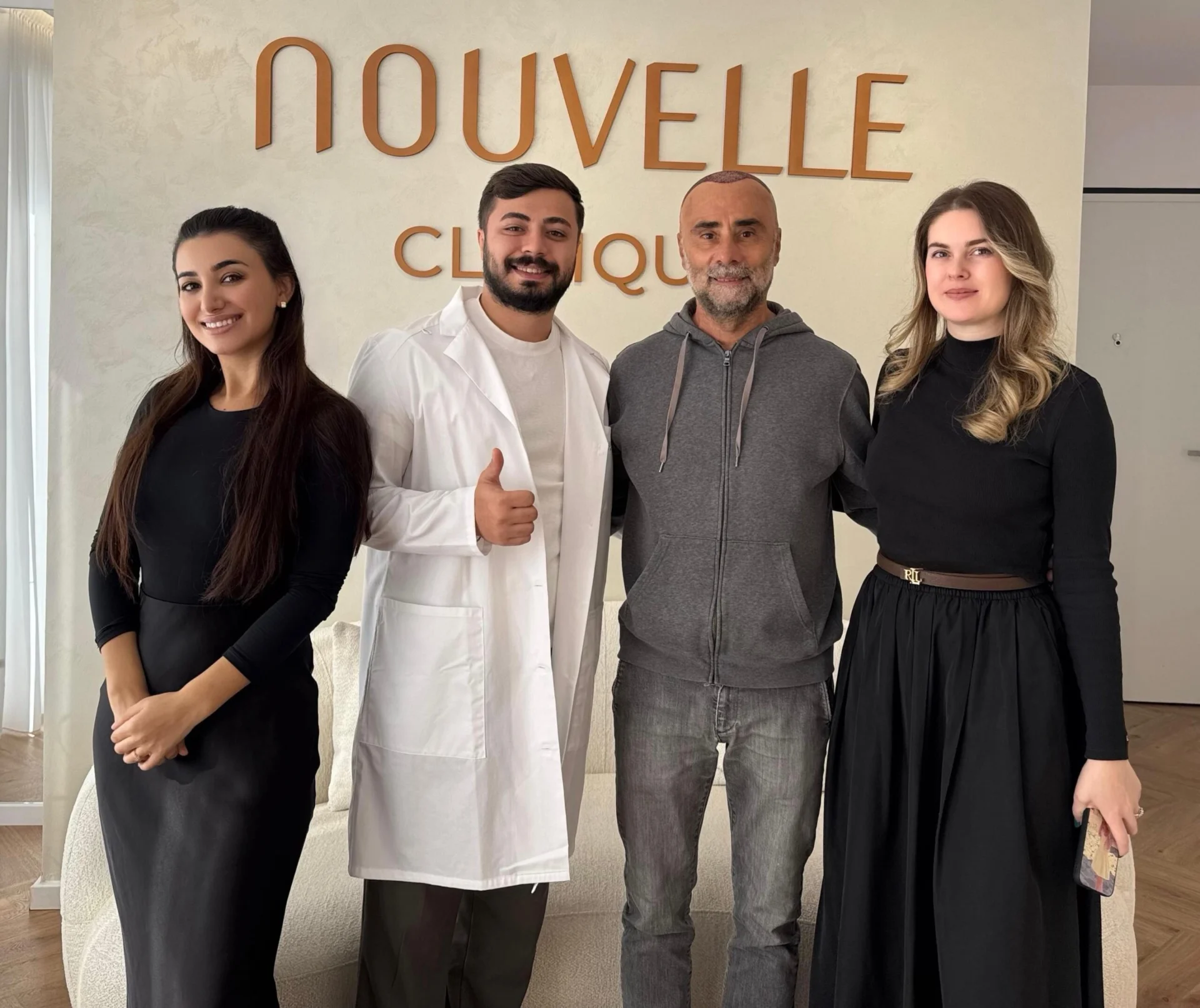
Four checks: a licensed supervising physician you can verify in a public registry, a straight answer to “who performs the implantation”, a fixed written quote after assessment, and reviews you can verify independently. Nouvelle Clinique operates under a physician licensed by the Order of Physicians of Albania and holds a 4.9-star rating across 160+ Google reviews.
The anaesthetic injections sting briefly; the procedure itself is painless. Mild soreness for a few days afterwards is normal and managed with the medications provided.
Yes — transplanted follicles keep their genetic resistance to hair loss. Native hair around them can still thin over time, which is why stabilising treatments are often recommended.
With modern DHI and Sapphire FUE and an experienced team, yes: single follicles placed at natural angles and densities. Hairline design is the surgeon’s art — look at a clinic’s before-and-after gallery.
Typically 3–5 days in Tirana: consultation and blood tests, procedure day, a check the following day, then home.
An honest clinic tells you and suggests alternatives — PRP, medication, or waiting for the pattern to stabilise. Our guide to non-surgical alternatives covers those options.
Book a free consultation — you will get a candidacy assessment, a graft count and a fixed written quote, with no obligation.
Prices, techniques, candidacy and recovery, each explained in its own guide.
We use cookies to measure how this site is used. Analytics cookies are only set if you accept, and you can change your choice at any time. Privacy policy