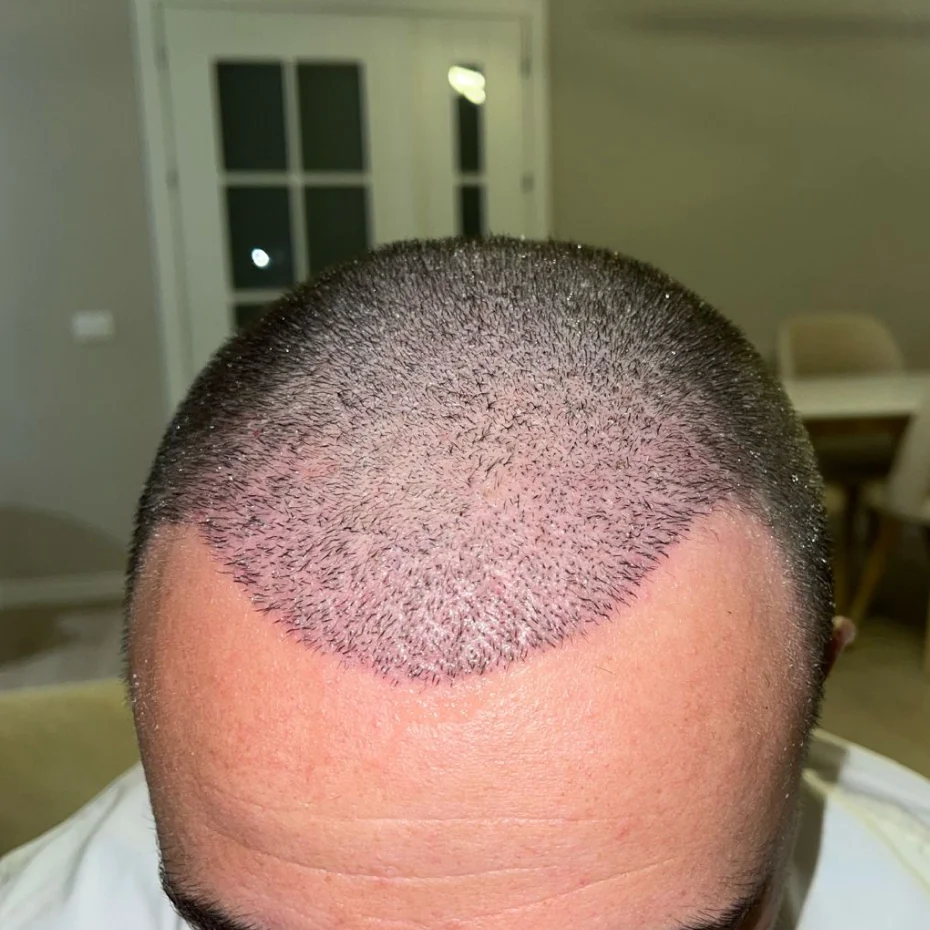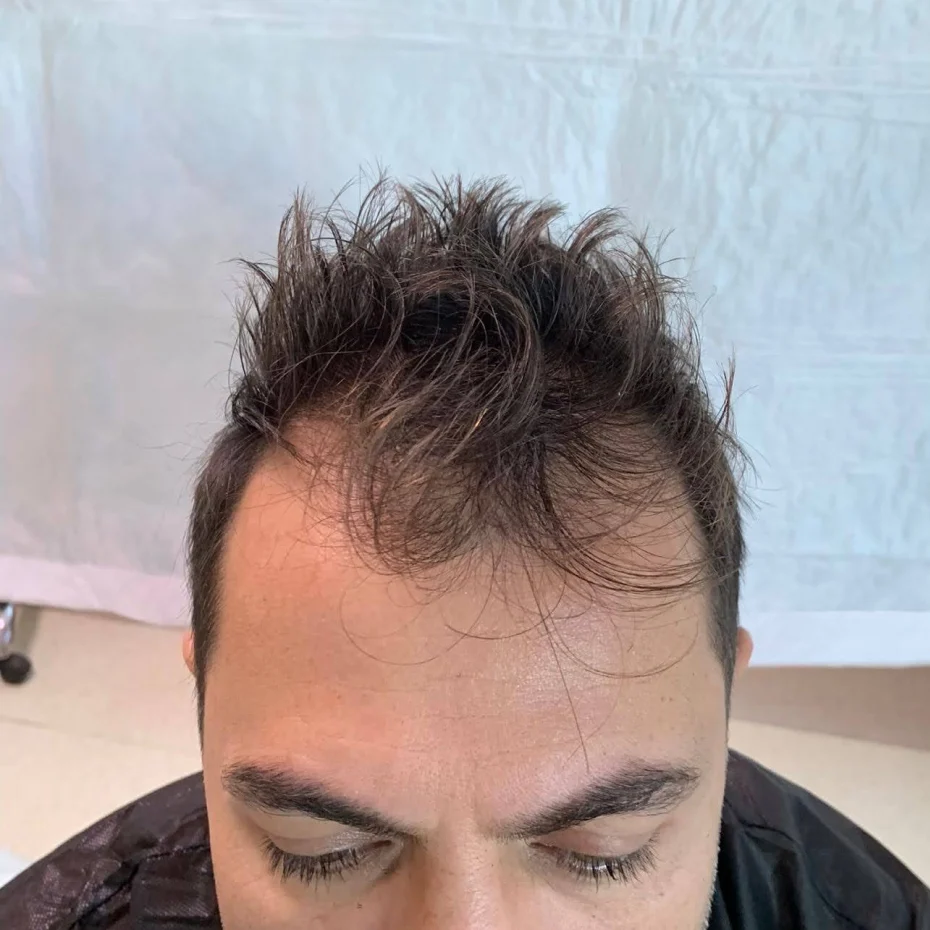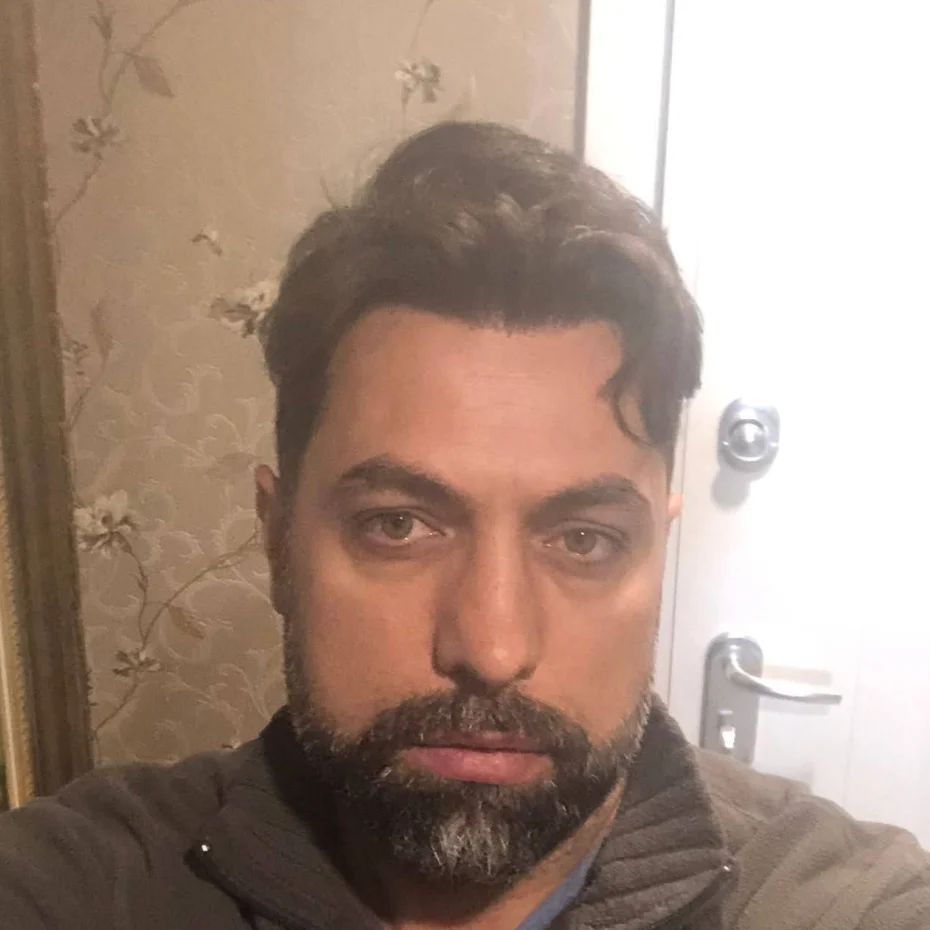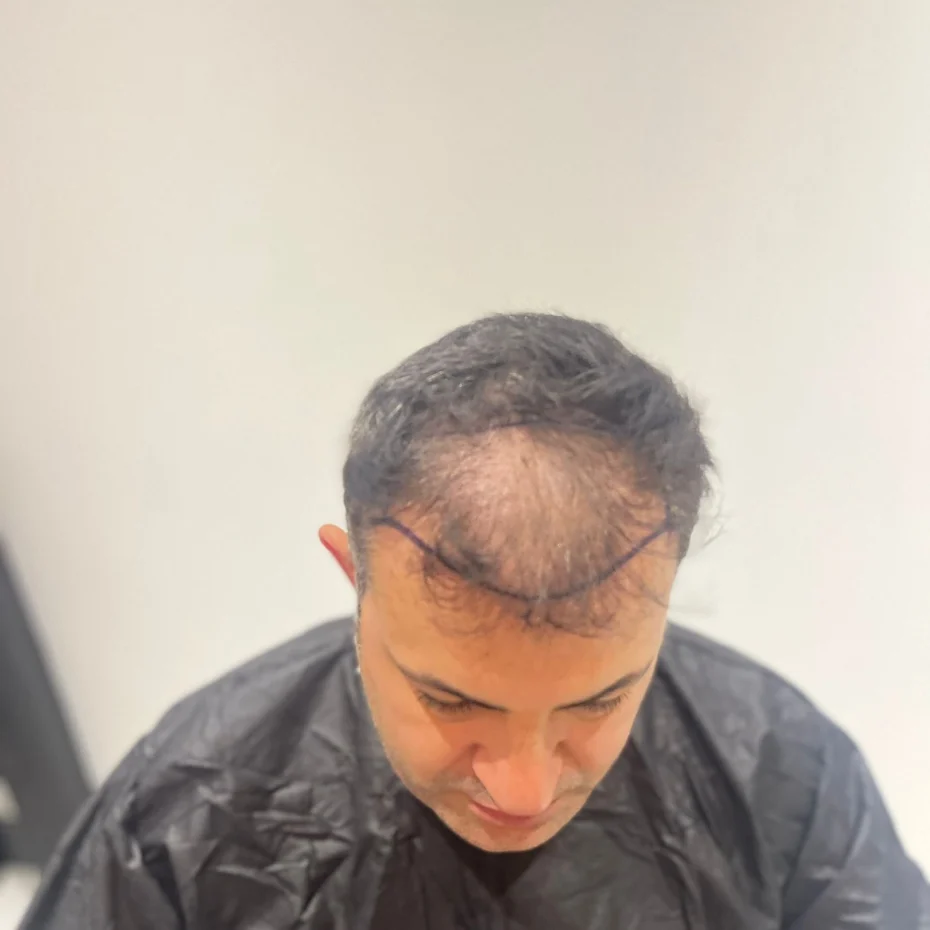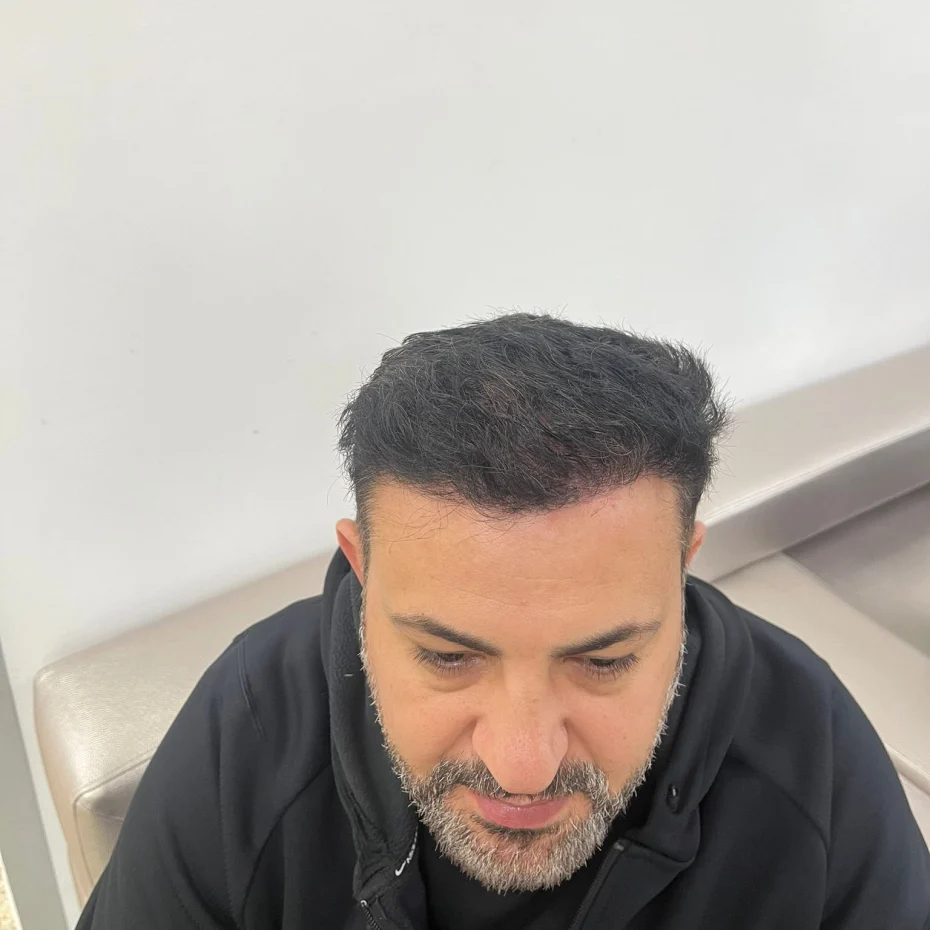
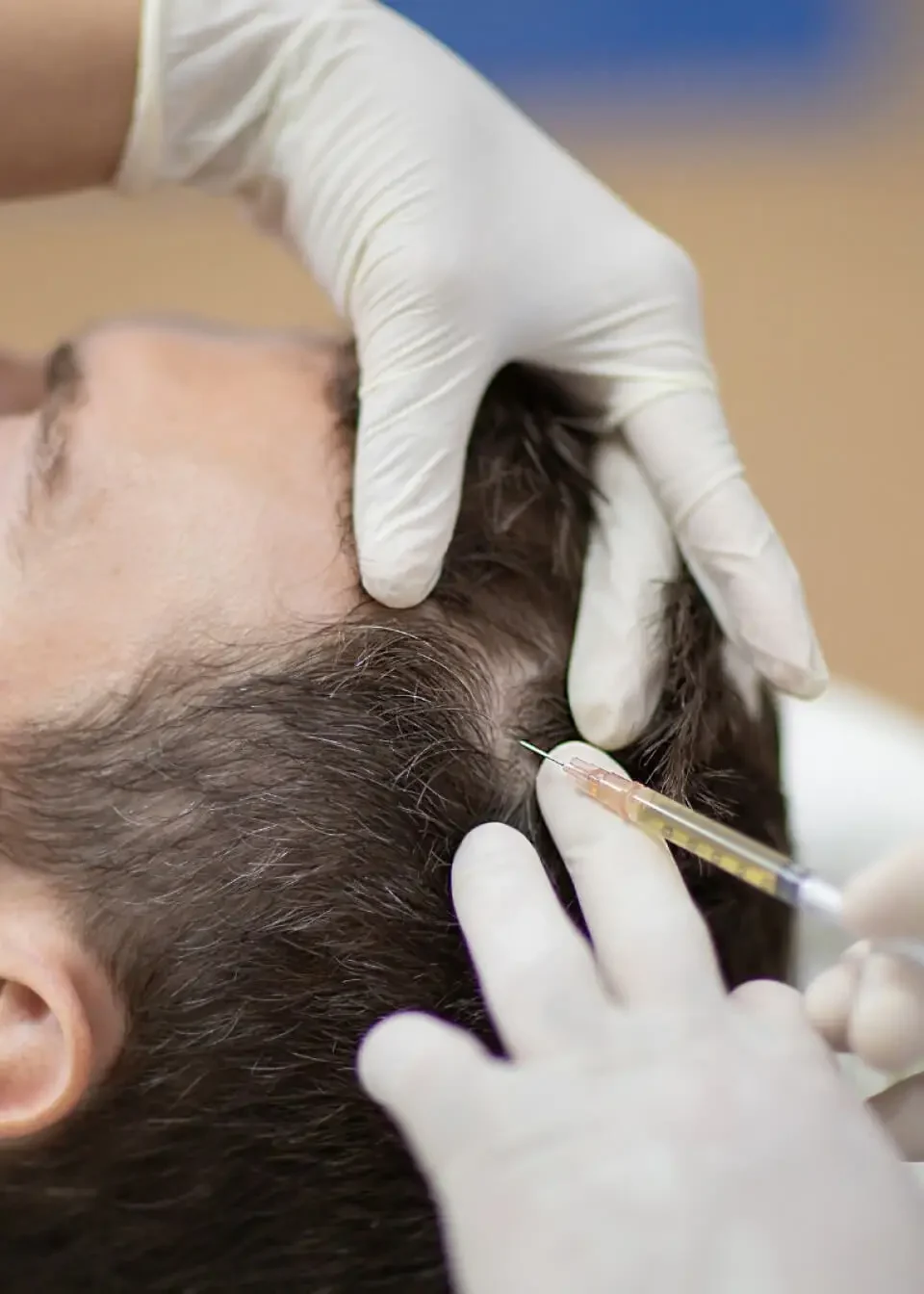

PRP stands for platelet-rich plasma. A small sample of your blood is processed to concentrate the platelets, and the plasma is injected into the areas of the scalp where the hair is thinning. It supports follicles that are still alive. It does not grow hair on skin that is already bald.
PRP hair treatment at a glance
| What it is | Injections of platelet-rich plasma prepared from your own blood |
| Who it is for | Early thinning, hair that sheds more than usual, support after a transplant |
| One session | Under an hour, no surgery |
| Course | 3 to 4 sessions a few weeks apart, then maintenance every 4 to 6 months |
| Time off | None for most people |
| First changes | After 3 to 6 months |
| Price at Nouvelle Clinique | From €150 per session |
What PRP can and cannot do
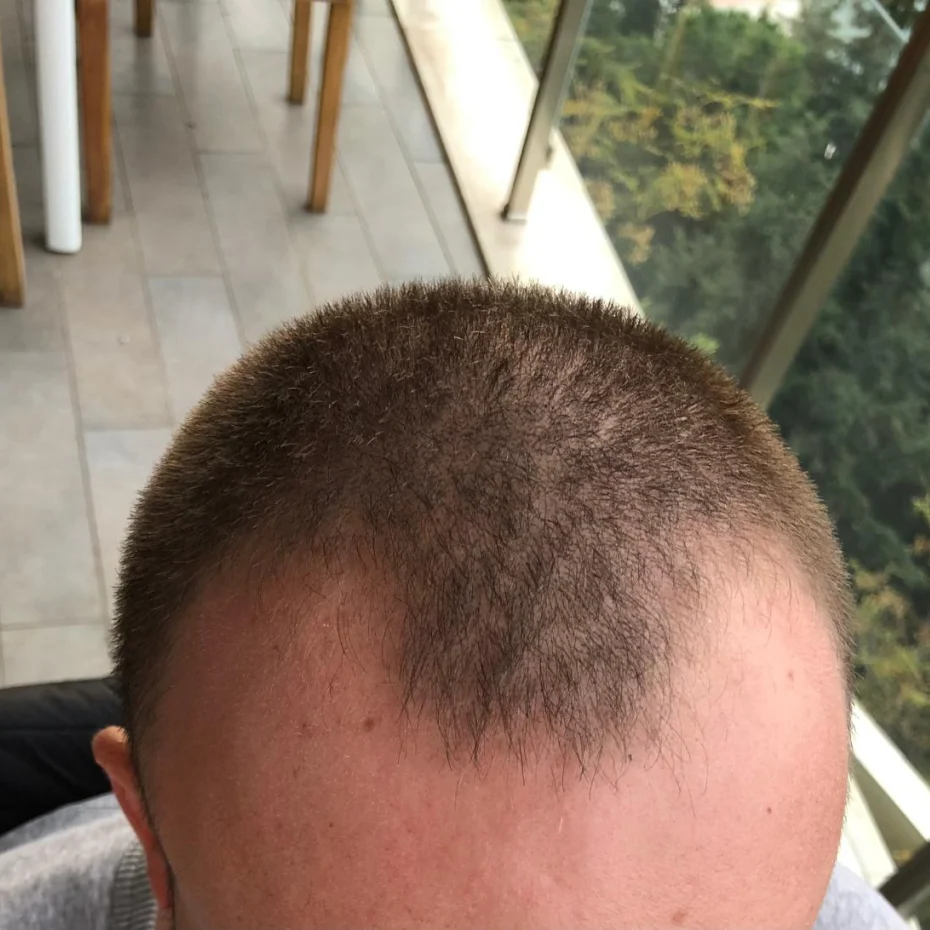
The best-studied use is hereditary hair loss at an early stage, in men and in women: PRP can reduce shedding and thicken hairs that are getting finer. It is also used after a transplant to support healing and the hair around the grafts. Results vary from person to person, and they last only while maintenance sessions continue.
PRP cannot revive follicles that are gone. A hairline that has already receded, or a crown where the skin is smooth, needs a transplant, not injections. Our guide to choosing between PRP and a hair transplant explains where the line is.
How a session works
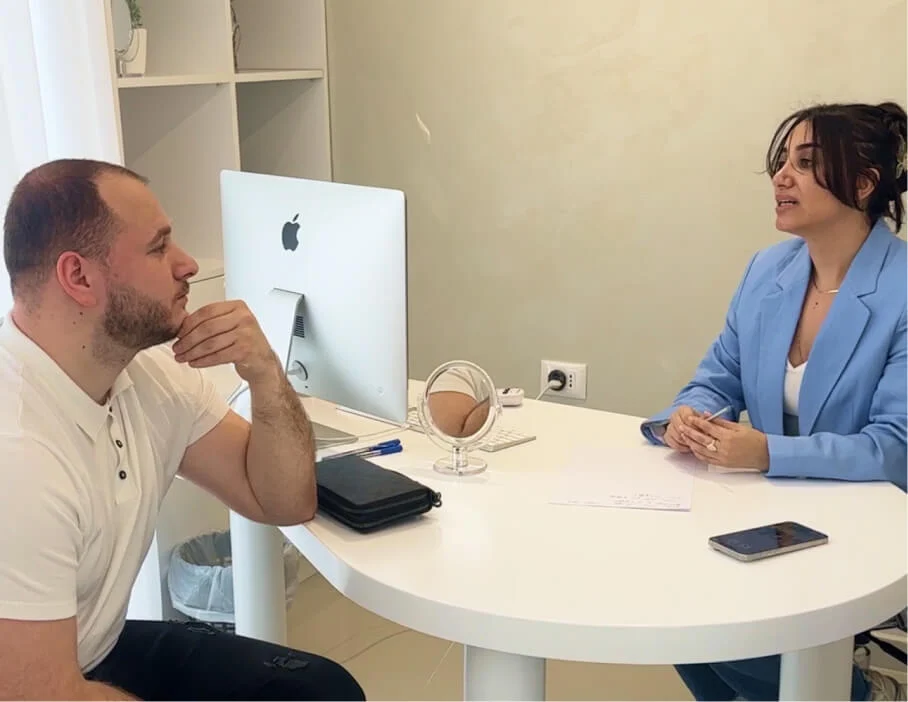
- Assessment. Your scalp, your health and the medication you take are reviewed first.
- Blood sample. A small amount of blood is taken from your arm, as for a routine blood test.
- Preparation. The sample is spun in a centrifuge, which separates the plasma that is rich in platelets.
- Injections. The plasma is injected with a fine needle across the thinning areas.
The whole visit takes under an hour. Most people describe the injections as uncomfortable, not painful, and go back to their normal day afterwards.
How many sessions, and when results show
Most plans start with 3 to 4 sessions a few weeks apart, followed by a maintenance session every 4 to 6 months. The first sign is usually less shedding. Thicker, stronger hair shows after 3 to 6 months. If nothing has changed after a full course, it is time to review the plan with the doctor, not to add sessions.
Is PRP safe?
For most healthy adults, yes. The plasma comes from your own blood, so nothing foreign is injected. The usual side effects are tenderness, mild swelling, redness or a small bruise, which pass within a day or two. Infection is rare when sterile, single-use materials are used.
PRP is usually postponed or ruled out for people with a blood or platelet disorder, people who take blood-thinning medication, anyone with an active infection or skin disease on the scalp, and during pregnancy. There is more detail in our PRP guide.
PRP together with a hair transplant
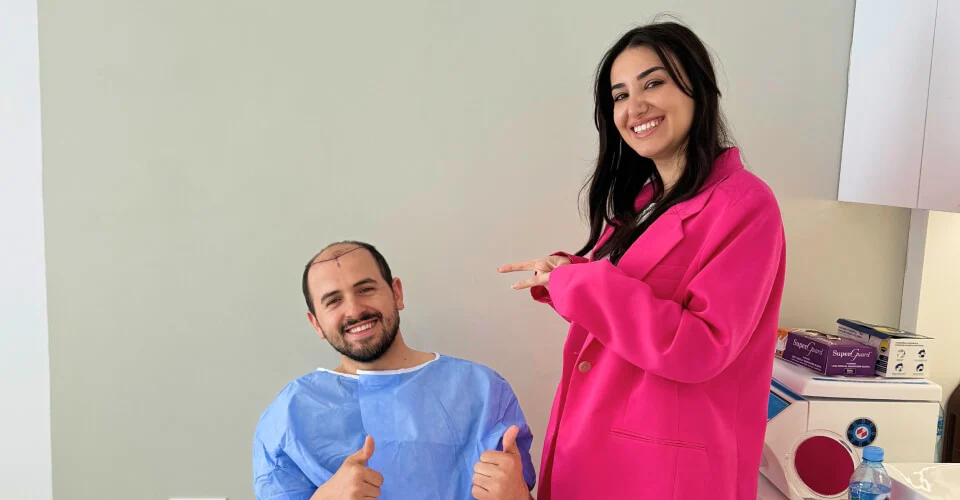
Many patients have PRP during the same visit as their DHI or Sapphire FUE transplant and continue with maintenance sessions afterwards, at the clinic or with a doctor at home. The transplant restores the areas that are bare. PRP helps keep the hair around them, which is still affected by hereditary loss.
What PRP costs in Albania
At Nouvelle Clinique PRP hair treatment starts from €150 per session. The number of sessions in your plan is agreed at the free consultation. Prices for all treatments are in the 2026 cost guide.
Frequently asked questions
How many PRP sessions will I need?
Most plans start with 3 to 4 sessions a few weeks apart, then one maintenance session every 4 to 6 months. Your plan is set after the assessment.
What should I do after a PRP session?
Follow the instructions you are given on the day. As a rule the scalp is left alone for the rest of the day: no washing, no hair products and no intense exercise.
Does PRP work for women?
Yes. Hereditary thinning in women, typically along the parting, is one of the best-studied uses, especially at an early stage.
What happens if I stop the sessions?
The effect fades gradually and the hair returns to the course it was on before. PRP supports the follicles; it does not remove the cause of hereditary hair loss.
Is PRP for hair the same as a PRP facial?
The plasma is prepared in the same way, but it is used on the skin of the face instead of the scalp. That treatment is described on our facial treatments page.
Find out whether PRP is right for you
Book a free consultation and send photos of your hairline, crown and parting. You will be told honestly whether PRP is likely to help, or whether another option would serve you better.