
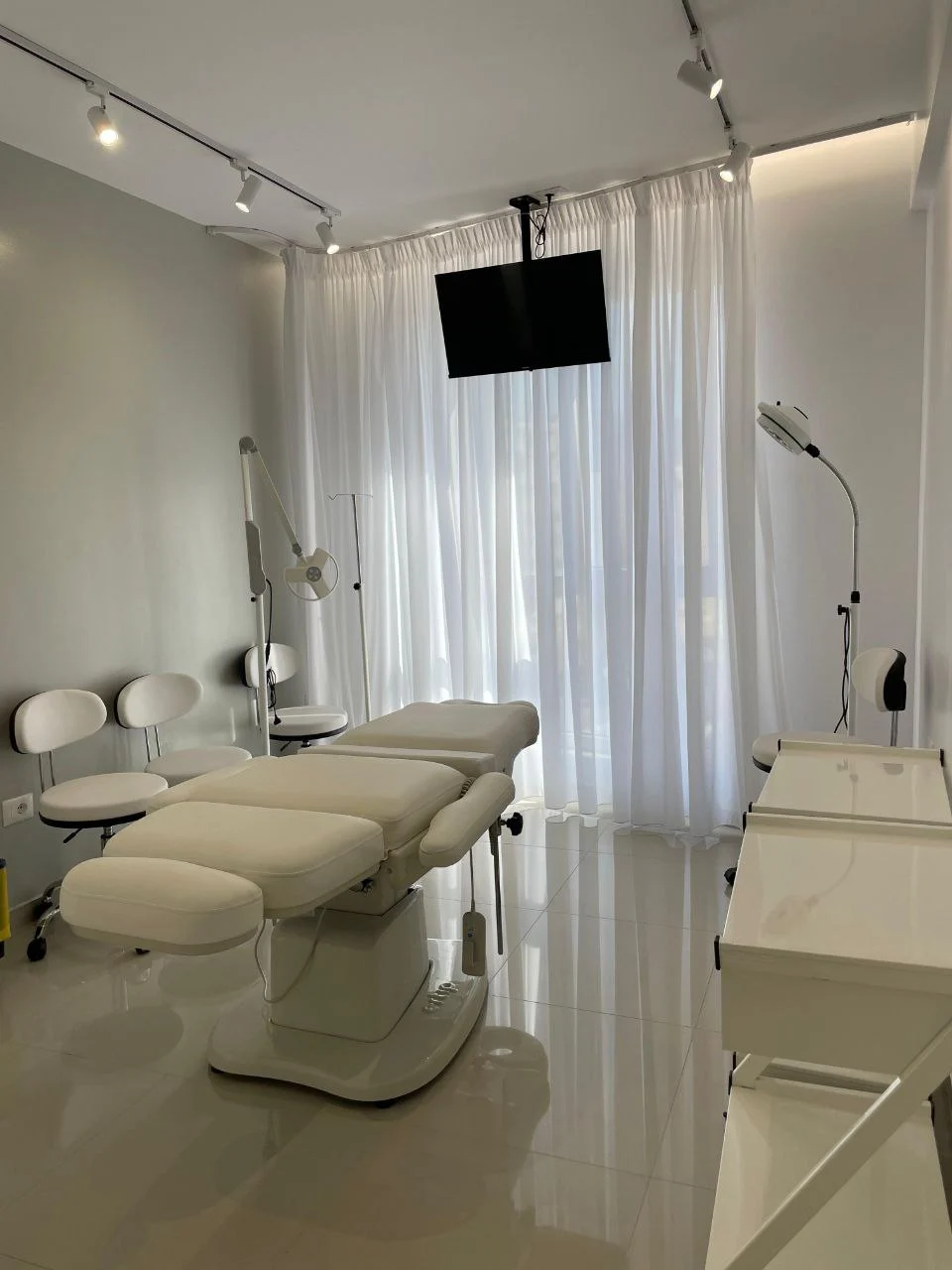
The procedure takes one day — the recovery is where your result is actually built. This guide walks through the hair transplant recovery timeline week by week, from the flight home to the moment your final density appears, so you know exactly what is normal, what needs attention, and how many days off to plan.
Recovery timeline at a glance
| Period | What happens | What you can do |
|---|---|---|
| Day 0–3 | Mild swelling and redness; grafts are settling | Rest, sleep elevated, follow the aftercare kit; short walks are fine |
| Day 4–7 | Scabbing forms around each graft; swelling fades | First gentle wash per clinic instructions; most patients fly home and return to desk work |
| Week 2 | Scabs shed; recipient area looks clean | Normal daily routine; still no gym, saunas or direct sun |
| Weeks 3–8 | Shock loss: transplanted hairs shed — this is normal and expected | Full activities resume; be patient, the follicles remain in place |
| Months 3–6 | New growth begins, thin and soft at first | Everything as usual; first visible progress photos |
| Months 6–12 | Density builds; hair thickens and darkens | Cut and style normally |
| Months 12–15 | Final result: full density and mature texture | Final comparison photos with the clinic |
Timelines vary by person and technique; your aftercare plan from the clinic always takes priority over any general guide.
Before the procedure: how to prepare
A smooth recovery starts before you travel. In the 7 to 10 days before your procedure, stop smoking and alcohol: both reduce blood flow to healing skin. Tell the medical team about every medication and supplement you take. Blood thinners, aspirin and vitamin E can increase bleeding, and any change to a prescribed medication is decided with your doctor, never on your own.
In the final weeks, skip hair dye and harsh chemical treatments and keep your scalp clean. Do not shave your head before you travel: the team trims what the technique requires on the day. Pack a shirt that buttons or zips at the front, so nothing has to be pulled over your head afterwards. If the instructions you receive from the clinic differ from this guide, follow the clinic.
Days 0–3: protecting the grafts
The first 72 hours matter most. Whether you had a DHI or Sapphire FUE procedure, the newly placed grafts need a few days to anchor. Expect mild swelling of the forehead and some redness. Sleep with your head elevated, avoid touching the area, and use the medications and spray from your aftercare kit. Patients at Nouvelle Clinique stay in Tirana during this window, with the team checking healing before the trip home.
Days 4–7: first wash and the flight home
Around day 4 you begin gentle washing with the technique the clinic demonstrates — no direct shower stream, no rubbing. Small scabs around each graft are normal. By the end of the first week, most international patients have flown home and returned to office work. If your job is physical, plan for 10–14 days before heavy lifting.
Weeks 3–8: shock loss (do not panic)
A few weeks in, the transplanted hairs shed. This is called shock loss and it is a normal, expected phase — the follicle stays healthy under the skin; only the hair shaft sheds before the new growth cycle starts. It happens after both DHI and FUE, as we explain in our DHI vs Sapphire FUE comparison. The patients who struggle most in this phase are the ones nobody warned — now you are warned.
Months 3–15: the growth curve
Visible new growth typically starts around month 3–4, looks thin at first, then thickens steadily. Most patients see the biggest visual jump between months 6 and 9, with final density and texture arriving at 12–15 months. For the detailed later stages, see our guide to what to expect 12 months after an FUE transplant, and browse real healed outcomes in the before-and-after gallery.
Protect the investment: sun, smoking, stress
For the first month, keep the scalp out of direct sun (a loose hat after day 10 is fine). Smoking measurably slows healing and is linked to poorer graft survival — if there is ever a moment to stop, it is now. Chronic stress and poor sleep affect hair cycles; a transplant does not make you immune to that. None of this is dramatic, but together it is the difference between a good result and a great one.
Support the existing hair, not just the grafts
Transplanted follicles are taken from the zone genetically resistant to hair loss and are permanent. The hair around them is not: hereditary loss continues in untreated areas. That is why surgeons recommend protecting native hair with medical management (discussed with a doctor) and, for many patients, periodic PRP sessions. A transplant plus stabilisation ages well; a transplant alone can leave a dense hairline in front of a receding crown ten years later.
Long-term maintenance checklist
| Timeframe | What protects your result |
|---|---|
| Days 0–10 | Strict aftercare: no touching, elevated sleep, clinic washing protocol |
| Weeks 2–4 | No sun, no gym, no smoking; scabs shed naturally |
| Months 1–3 | Shock loss phase — stay the course; resume normal life |
| Months 3–12 | Monthly photos; consider PRP or medication for native hair |
| Year 1+ | Annual check-in with the clinic; maintain native hair; normal styling and cutting |
Frequently asked questions
When can I wash my hair normally after a hair transplant?
Gentle washing starts around day 4 with the clinic’s method; most patients return to a normal (careful) washing routine after about two weeks, once the scabs have shed.
When can I go back to the gym?
Light walking immediately; cardio after about two weeks; weights and contact sports after 3–4 weeks. Sweat and increased blood pressure are the risks early on.
Is it safe to fly home a few days after the procedure?
Yes. Most Nouvelle Clinique patients fly home on day 3–5. The team checks your healing before departure and stays in contact through your whole recovery via WhatsApp.
Is shock loss permanent?
No. Shedding of transplanted hairs between weeks 3 and 8 is part of the normal hair cycle. The follicles remain in place and produce the new, permanent growth from around month 3.
How many days off work should I book?
Desk workers typically take 4–7 days. Physically demanding jobs need 10–14 days. Combined with travel, a Thursday procedure with a Sunday flight home works for most patients — the exact plan is set at your free consultation.
Is a hair transplant result permanent?
The transplanted follicles are permanent — they come from the donor zone that is genetically resistant to hair loss. Surrounding native hair can still thin over time, which is why stabilising treatments are recommended.
What is the biggest mistake patients make after a transplant?
Touching, scratching or rubbing the recipient area in the first ten days, and stopping aftercare in month two because shock loss looks like failure. Both are avoidable with the right information.
When can I cut and style my hair normally?
Most patients cut their hair from around week 4 (scissors first; clippers on the recipient area after 2–3 months) and style normally from month 3 onward.
Will I need a second procedure?
Not necessarily. Some patients choose a second session years later to address new thinning in untreated areas or to add density. Protecting native hair reduces that likelihood.
Recover with a team that stays with you
Recovery goes smoothly when someone answers your questions at week 1, week 6 and month 6, not just on procedure day. Nouvelle Clinique’s coordinators follow your full 12–15 month timeline. Book a free consultation to plan your dates.
Medical review: the clinical information on this page is reviewed by the Nouvelle Clinique medical team under the supervision of Dr. Elvira Frangu, MD (Faculty of Medicine, University of Tirana; Order of Physicians of Albania, Registry No. 3973). This content is informational and is not a substitute for an individual medical consultation.