
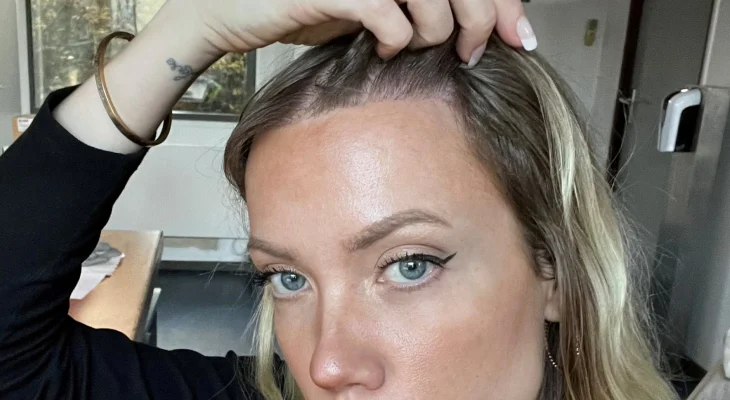
Non tutti coloro che perdono i capelli hanno bisogno di un trapianto e non tutti sono pronti per farlo. Alcuni pazienti hanno meno di 25 anni con un profilo di perdita ancora in evoluzione, altri presentano un diradamento diffuso che il trapianto non può risolvere e altri ancora vogliono semplicemente provare prima opzioni non chirurgiche. Questa guida illustra ciò che funziona realmente senza chirurgia, cosa dice l'evidenza scientifica e come ciascuna opzione si adatta a un eventuale trapianto futuro, qualora lo si scelga.
1. PRP (plasma ricco di piastrine)
Il PRP utilizza il vostro stesso sangue: un piccolo campione viene centrifugato per concentrare le piastrine e il plasma risultante viene iniettato nelle aree del cuoio capelluto soggette a diradamento. Le piastrine rilasciano fattori di crescita che supportano l'attività follicolare. In pratica, il PRP funziona al meglio per diradamento precoce in cui i follicoli sono indeboliti ma ancora vivi — non può riattivare i follicoli ormai persi. La maggior parte dei protocolli prevede 3-4 sedute a qualche settimana di distanza, seguite da un mantenimento ogni 4-6 mesi. Presso la Nouvelle Clinique, trattamento prp per capelli parte da 150 € a sessione e viene utilizzato anche insieme ai trapianti per favorire la sopravvivenza degli innesti.
2. Gestione medica
Due farmaci hanno le prove più forti per rallentare la caduta ereditaria dei capelli: il minoxidil topico e la finasteride orale (per gli uomini). Non ricostruiscono una nuova linea dei capelli, ma possono stabilizzare ciò che si ha, ed è proprio per questo che i chirurghi li consigliano ai pazienti giovani il cui modello di calvizie non si è stabilizzato. Entrambi richiedono un uso continuativo e una valutazione medica degli effetti collaterali. Discutetene con un medico prima di iniziare; il nostro medico supervisore esamina l'anamnesi farmacologica a ogni consultazione.
3. Terapia laser a basso livello (LLLT)
I cappucci e i pettini laser utilizzano la luce rossa per stimolare il cuoio capelluto. L'evidenza è moderata: alcuni pazienti notano capelli più spessi dopo diversi mesi di utilizzo quotidiano, altri ne vedono pochi benefici. È sicuro e non invasivo, ma lento e da considerare come una misura di supporto, non come un trattamento principale.
4. Micropigmentazione del cuoio capelluto (SMP)
La tricopigmentazione (SMP) tatua piccoli puntini che imitano i follicoli piliferi rasati. Crea l'aspetto della densità su un taglio cortissimo o riempie visivamente una chierica diradata. Non fa crescere nulla — è un'illusione cosmetica — ma è un'opzione legittima per gli uomini che portano i capelli cortissimi o che hanno un'area donatrice troppo debole per il trapianto.
5. Sistemi per capelli e correttivi
Fibre, spray e sistemi per capelli moderni sono istantanei e reversibili. Si adatti ai pazienti che non sono pronti per alcun intervento, o come soluzione temporanea durante i mesi necessari affinché un trapianto cresca.
Come si confrontano le opzioni non chirurgiche
| Opzione | Fa crescere nuovi capelli? | Meglio per | Impegno |
|---|---|---|---|
| PRP | Supporta i follicoli esistenti | Diradamento precoce, supporto post-trapianto | 3–4 sedute + mantenimento |
| Farmaco | Rallenta la caduta, qualche ricrescita | Stabilizzare un pattern in evoluzione | Utilizzo giornaliero continuativo |
| LLLT | Modesto, variabile | Misura di supporto | Giornalmente, mesi |
| SMP | No — solo visivo | Stili rasati, area donatrice debole | 2–3 sedute, ritocchi |
| Trapianto di capelli | Sì — permanente | Modello stabile, buona area donatrice | Una procedura, risultato di 12–15 mesi |
Quando il trattamento non chirurgico è il primo passo giusto — e quando non lo è
I trattamenti non chirurgici hanno senso se la tua perdita di capelli è allo stadio iniziale, il tuo schema di diradamento sta ancora cambiando (in genere sotto i 25 anni) o se desideri stabilizzarti prima di prendere un impegno definitivo. Sono la scelta sbagliata se i follicoli nell'area diradata sono già scomparsi: nessuna crema o iniezione fa ricrescere un'attaccatura calva. In quei casi le opzioni oneste sono un DHI o FUE in zaffiro trapianto — spesso combinato con il PRP per il miglior risultato a lungo termine. La nostra guida su l'età migliore per un trapianto di capelli spiega come i chirurghi prendono questa decisione.
Domande frequenti
Il PRP può sostituire un trapianto di capelli?
No. Il PRP rafforza i follicoli ancora vivi; non può ripristinare le aree già calve. È un complemento a un trapianto o un primo passo per il diradamento precoce, non un sostituto.
Quanto tempo ci vuole prima che i trattamenti non chirurgici mostrino risultati?
In genere sono necessari 3-6 mesi di trattamento costante prima che i cambiamenti siano visibili, che si tratti di PRP, farmaci o laser. L'interruzione di solito comporta un ritorno graduale alla traiettoria precedente.
Vale la pena provare opzioni non chirurgiche prima di viaggiare per un trapianto?
Spesso sì, soprattutto per i pazienti più giovani: stabilizzare prima il pattern rende la pianificazione del trapianto più affidabile. Una consulenza dirà se il vostro caso trae beneficio dall'attesa.
Posso combinare il PRP con un trapianto nello stesso viaggio?
Sì. Molti pazienti della Nouvelle Clinique si sottopongono al trattamento PRP durante la stessa visita per favorire la guarigione dell'innesto e tornano per le sedute di mantenimento in un secondo momento o le organizzano localmente.
Quanto costa il trattamento non chirurgico in Albania?
PRP da 150 € a sessione; i farmaci sono economici e disponibili in qualsiasi farmacia dietro presentazione di ricetta medica. I pacchetti per il trapianto vanno da 1.500 € a 3.000 € — consultare il Guida ai costi 2026.
Ottieni un consiglio onesto
Che tu abbia bisogno di PRP, farmaci, un trapianto o semplicemente di tempo, il primo passo è lo stesso: una valutazione specialistica. Prenota una consulenza gratuita e otterrai una risposta chiara, incluso “non ancora” se questa è la verità.
Revisione medica: le informazioni cliniche di questa pagina sono verificate dal team medico di Nouvelle Clinique sotto la supervisione della Dott.ssa Elvira Frangu (Facoltà di Medicina, Università di Tirana; Ordine dei Medici d'Albania, Registro N. 3973). Questo contenuto è informativo e non sostituisce una consulenza medica individuale.