
La perdita dei capelli, la calvizie comune o l'alopecia sono tutte condizioni gravi che colpiscono innumerevoli persone. Secondo l'American Hair Loss Association, “quasi il 50% delle donne sperimenterà un diradamento dei capelli nel corso della propria vita, mentre oltre il 65% degli uomini perderà in modo evidente i propri capelli entro i 35 anni”. Questo problema non è uno scherzo e può influire sull'autostima di una persona. Questa grave condizione di perdita di capelli richiede quindi un trattamento efficace e promettente. Di conseguenza, la richiesta di interventi di trapianto di capelli sta diventando una soluzione promettente per ripristinare sia la fiducia in se stessi che i capelli.
Data l'importanza di questa decisione, sorge l'incertezza del ripristino chirurgico. Le domande sono comuni: “Cosa succede prima dell'intervento? Come ci si sente durante l'intervento? E come si svolge il recupero?”
Per prepararti al meglio e tenerti informato, questa guida illustra tutte le indicazioni necessarie, dall'intervento chirurgico pre-trapianto alle misure di recupero post-operatorio.
Il primo passo: preparare il processo di trapianto!
Se stai pianificando una soluzione permanente, prendi in considerazione un prodotto di alta qualità. clinica per la cura dei capelli in Albania. Before indulging in the hair transplant surgery, the following steps come –
1. Consulenza
De eerste stap bij elke toonaangevende haarkliniek in Albanië begint met een uitgebreid consult. Tijdens dit consult luisteren de professionals eerst naar uw zorgen over haaruitval. Daarna adviseren zij u over de beste behandeling voor het meest natuurlijke resultaat.
To learn about your medical history and any possible underlying reasons for hair loss, the doctor will ask you a few questions. As such, this process can include a thorough assessment-
- Preserve records and assess any possible future hair loss; photos of your scalp will be taken.
- Digital imaging for the assessment of the scalp.
- Identifying the source of hair loss, such as stress, hormones, or genetics.
- Assessing the density of the donor area.
- Examining past medical records, prescription drugs, and lifestyle.
Your suitability is verified at this point, and the best transplant technique—FUE or DHE hair transplantation—is chosen. Before choosing a procedure, the consultation takes into account several parameters, including hair type, hair elasticity, follicular density, and medical history.
2. Medical & Lifestyle Preparation
Next, the experts can advise you to prepare your lifestyle, while –
- Quit the consumption of alcohol and smoking. 7–10 days before the procedure.
- After speaking with your physician, stop taking blood thinners and supplements like vitamin E.
- Make sure your blood sugar and blood pressure are under control.
3. Hair & Scalp Preparation
Take good care of your hair and scalp in the month before the treatment. Steer clear of harsh chemical treatments and maintain a clean scalp. To make the process easier, some expert surgeons might also advise getting your hair cut short.
Keep in mind that setting realistic expectations and being well-prepared can have a big influence on how well your hair transplant goes. We’ll look at what occurs on the day of the hair transplant process in the next part.
The Major Hair Transplant Techniques –
The two primary techniques are commonly used for hair transplants:
FUE (Follicular Unit Extraction)
Follicle unit extraction, or FUE, involves removing individual follicles from the donor region and implanting them into regions that are thinning. This process leaves behind very faint scars that resemble small dots. Also, this technique needs the donor area to be shaved.
The DHE Method for Hair Transplantation
DHE (Direct Hair Extraction), a variant of the DHI hair transplant technique, emphasizes direct implantation with an implanter pen.
This is most favored as it gives each follicle greater control over its angle, depth, and direction. According to the International Society of Hair Restoration Surgery (ISHRS), this greatly increases the survival probability of follicles, often up to 95%, by decreasing the amount of time they spend outside the body.
A more natural-looking hairline is achieved by the DHE hair transplant process, which also provides excellent control over the depth, direction, and angle of each implanted graft. It is particularly appealing for those who want to maintain their hair appearance discreetly throughout recuperation because it is frequently done without shaving the recipient region.
The Second Step- The Day Of Hair Transplant Surgery
Arrival & Prep
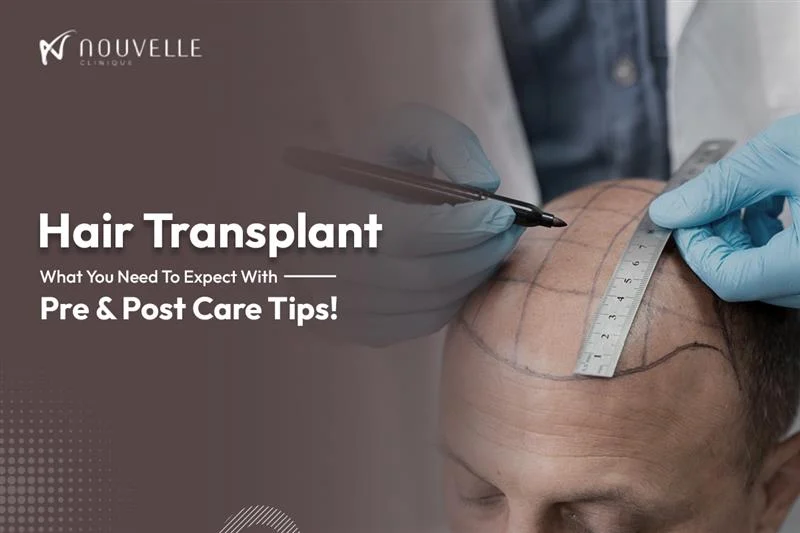
Patients usually meet with the knowledgeable hair transplant surgeon when they arrive at the hair transplant clinic to go over any last-minute issues and have any questions answered. To designate the locations for transplanting, the surgeon may mark the scalp and take pictures for a “before” comparison. Also, after marking the marks, the area is numbed using local anesthesia. Throughout the procedure, patients stay awake and may be given entertainment or permitted to use their electronics.
Commencement Of The Procedure
The surgeon starts the extraction procedure as soon as the anesthesia takes effect. In FUE, this entails harvesting individual follicles using a tiny punch instrument. These follicles are subsequently placed into implantation pens for prompt implantation in DHE.
The process is carried out in phases, frequently interspersed with brief pauses. Patients only feel slight pressure sensations, not pain, despite the technical difficulty.
Extraction & Harvesting
To prevent damage, the donor follicles are gently removed. They are kept in a particular solution in FUE until they are prepared for insertion. Follicle vitality is enhanced by DHE’s short extraction-to-implantation interval.
Implantation Of Grafts
Before the grafts are manually positioned, small incisions are created in the recipient region during FUE. By simultaneously creating the site and inserting the follicle, the implant pen in DHE provides the highest level of accuracy. The placement of each transplant is carefully planned to replicate the density and direction of normal development.
Conclusione
After the implantation is finished, a breathable dressing is put on, and the scalp is washed once more. In addition to receiving thorough post-operative care instructions, patients could be administered antibiotics or painkillers. The majority of patients return home the same day.
The Third Step- The Post-Care Of Hair Transplant Surgery
The true beginning of healing, development, and restoration occurs during this phase, known as post-operative care. The success of the treatment is not only maintained but also maximized with proper aftercare.
Day 1-3- Rest & Care
Both mental and physical rest are encouraged. It’s normal to experience mild eye and forehead swelling, which should go down in a few days. You will be asked to sleep with your head up, ideally on two pillows or in a chair, to help with the healing process. It is highly discouraged to touch the transplanted region since the grafts require this time to firmly attach themselves.
It’s typical to have some scabbing, redness, and stiffness throughout the healing process. The recommended drug can be used to control any discomfort, although pain is usually not severe. This step is similar to sowing seeds; the soil shouldn’t be moved.
Day 4-7- Gentle Cleaning
You will gradually transition into a light washing regimen as your scalp settles. This shampoo isn’t your typical one. You’ll probably be told to use a medical foam or spray, allow it to sink in, and then vigorously rinse without applying pressure. Never let water fall directly on the grafts; instead, let it flow gently.
There may be a small numbness or itching in the donor location where the follicles were taken. These feelings are indicators of epidermal renewal and nerve repair. Refrain from scratching; patience will be rewarded. Avoid physical activity, the sun, and anything else that might make you perspire during this period.
Day 8-10 Medications & Activity
The majority of scabs will start to fall off on their own by the end of the first week. This is a comforting indication. Don’t pluck or peel; it’s important to let this process unfold naturally. It is normal for hair strands to fall out with the scabs; this is not an indication of failure.
You can be told to keep up a certain hair serum regimen or apply topical treatments. During this stage, some patients start taking light nutrition support or mild hair supplements (always under medical care).
Special Instruction You Can Follow!
Anticipate Shock Loss: Transplanted hairs may abruptly shed between weeks two to four. Although it may seem concerning, this is a typical aspect of the development cycle called “shock loss.” Beneath the epidermis, the follicles are still whole and will shortly return to the growth phase.
Growth Occurs Slowly: Between three and four months, new hair usually starts to grow, and between six and twelve months, fuller density appears. It can occasionally take up to 14–18 months for the new hairline to fully mature.
Say No To Smoking & Alcohol: Steer clear of alcohol and tobacco since they can slow healing, decrease oxygen delivery to the scalp, and affect blood flow. Abstinence should be maintained for at least 7–10 days after surgery, preferably longer.
Avoid Strong Chemicals & Heat: Don’t even think of- swimming pools, hair colour, and hot styling equipment for at least three to four weeks. The fragile skin and grafts might be harmed by heat and chlorine.
LLLT (Low-Level Laser Therapy): Depending on doctor’s recommendation, LLLT could be started after the first month. Graft survival rates can be increased and cellular activity stimulated.
Only Satin or Silk for Your Hair: Little things that add up to large results. Minimizing friction while you sleep helps minimize interruption to the healing regions.
Conclusione
A hair transplant is more than a cosmetic decision. From the first consultation and personalized method selection—whether it’s the innovative DHE hair transplant technique or the time-tested FUE approach—to the precision of surgery day, and finally into the healing process, each step is structured for care, safety, and optimal outcomes.
For anyone considering this transformative path, knowing that the journey is gradual, supported, and carefully designed makes all the difference. With a thoughtful approach to preparation and aftercare and the support of a dedicated team, hair restoration becomes a process rooted in both science and reassurance.